
 techend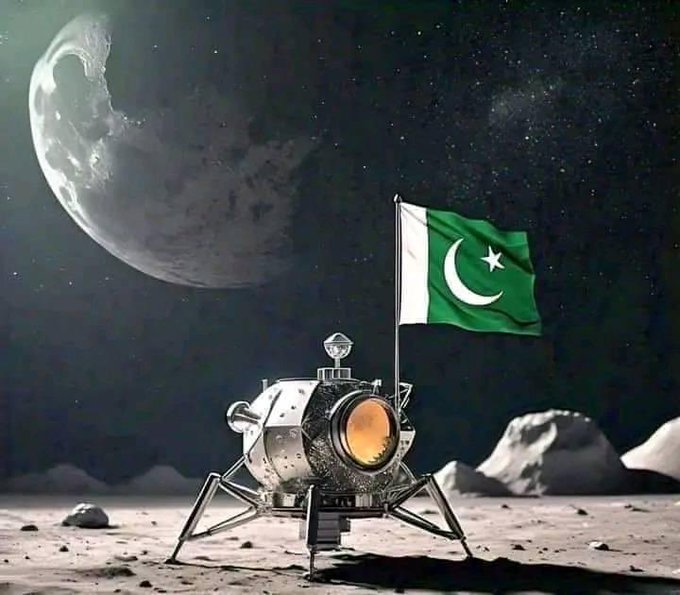
By Sabeeh Zanair :
Ahsan Iqbal discusses space education, research and technology cooperation during meetings with NASA and US aerospace firms
Federal Minister for Planning, Development and Special Initiatives Professor Ahsan Iqbal has held a series of meetings with NASA officials and representatives of leading US aerospace companies in Houston, seeking closer cooperation in space education, scientific research and advanced technology.
The discussions focused on expanding collaboration between Pakistan and the United States in areas including space science, innovation, STEM education and aerospace research, as Islamabad looks to strengthen its long-term space ambitions.
Focus on science and technology
During the meetings, Ahsan Iqbal outlined the government’s vision of transforming Pakistan into a knowledge-based economy by investing in science, research and international partnerships.
He said the government is developing a national space education programme aimed at encouraging more young Pakistanis to pursue careers in science, technology, engineering and mathematics (STEM).
According to the minister, strengthening scientific education is essential for building a skilled workforce capable of supporting the country’s future technological and industrial development.
Space Exploration Centre planned in Narowal
A key topic of discussion was the proposed Space Exploration Centre in Narowal, which the government plans to develop as a national hub for space education, research and innovation.
The facility is intended to inspire students through interactive learning while providing opportunities for scientific research and technological development.
Ahsan Iqbal said the planned centre would go beyond conventional education by promoting innovation and helping prepare the next generation of Pakistani scientists, engineers and researchers.
Invitation to US aerospace companies
The minister also invited American aerospace companies to establish research and development centres in Pakistan, highlighting the country’s growing pool of engineers, scientists and information technology professionals.
He said partnerships with NASA, universities and private aerospace companies could provide Pakistani students and researchers with access to advanced training, collaborative research projects and international experience.
Officials believe such cooperation could help strengthen Pakistan’s scientific capabilities while encouraging technology transfer and innovation.
Pakistan outlines long-term space ambitions
During the meetings, Ahsan Iqbal shared Pakistan’s long-term vision for its national space programme.
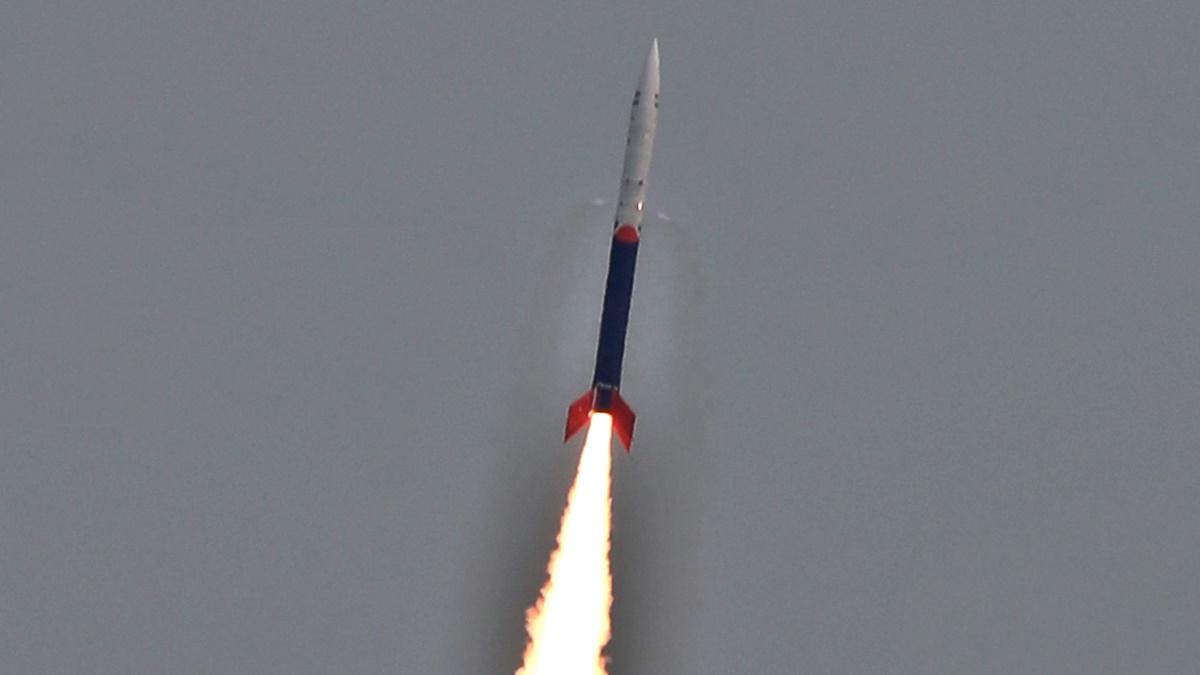
He said the government aims to launch a Pakistani mission to the Moon by 2035, with the broader objective of establishing a sustained lunar presence by 2047.
The proposed timeline reflects Pakistan’s ambition to expand its role in space exploration through international collaboration, scientific research and technological advancement.
While these goals remain long-term aspirations, experts note they would require substantial investment, advanced technological capabilities and close cooperation with international space agencies.
Expanding Pakistan-US scientific cooperation
The minister said stronger engagement with NASA and the US aerospace sector could open a new chapter in Pakistan-US relations, extending cooperation beyond traditional areas into space technology, climate research, education and innovation.
Pakistan’s space programme is currently led by the Space and Upper Atmosphere Research Commission (SUPARCO), which has expanded its activities in recent years through satellite development, Earth observation missions and partnerships with international space agencies.
Analysts say greater collaboration with global research institutions could help accelerate Pakistan’s capabilities in satellite technology, remote sensing, space science and advanced engineering.
As countries around the world increase investment in space exploration and emerging technologies, Pakistan is seeking to position itself as a regional centre for scientific research and innovation by strengthening international partnerships and investing in the next generation of scientists and engineers.
About The Author