
 techend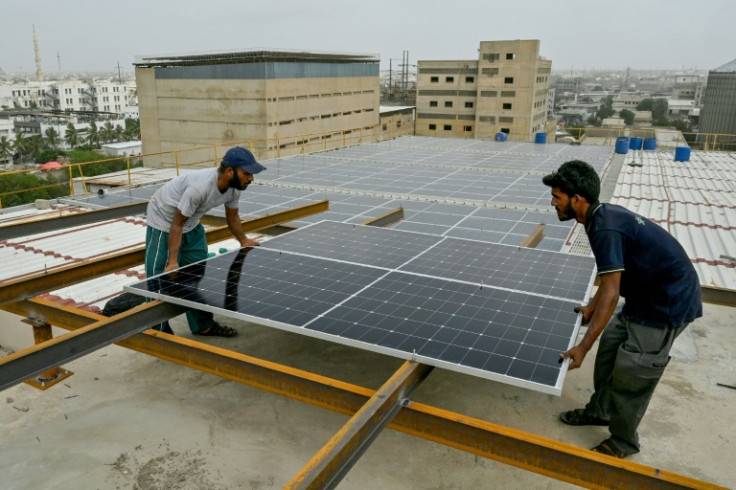
By Tanveer Ahmed :
Government plans national battery policy as rising solar adoption creates daytime surplus and evening power pressure
Pakistan is accelerating plans to introduce large-scale Battery Energy Storage Systems (BESS) as the rapid expansion of rooftop solar power begins to reshape electricity demand patterns and create new challenges for the national grid.
Federal Minister for Energy (Power Division) Sardar Awais Ahmed Khan Leghari said the growing number of distributed solar installations has significantly changed the country’s electricity consumption pattern, requiring urgent investment in energy storage technology.
Speaking at the Battery Energy Storage Systems Conference organised by the Pakistan Solar Association in Lahore, the minister said solar growth has reduced electricity demand during daylight hours while increasing pressure on the grid during evening peak periods.
Solar growth creates new grid challenges
Pakistan has witnessed a sharp increase in rooftop solar adoption as households, businesses and industries seek alternatives to rising electricity costs.
However, the minister said this rapid transition has created a mismatch between power generation and consumption.
During the day, solar systems can produce excess electricity when demand is relatively low. After sunset, when solar generation stops but household and commercial consumption rises, the grid faces increased pressure.
Leghari warned that without adequate storage capacity, the expansion of solar energy could affect grid stability, increase operational difficulties and force continued dependence on expensive peak-hour electricity generation.
Battery storage identified as key solution
The minister described battery storage as a critical component of Pakistan’s future energy system.
According to him, BESS technology would allow excess solar electricity generated during the day to be stored and supplied during evening peak hours, improving grid flexibility and reducing overall electricity costs.
He said the government has declared battery storage a strategic priority and established a Federal Steering Committee to develop a comprehensive national policy for battery energy storage and accelerate its implementation.
Storage could improve electricity access
Beyond supporting the national grid, Leghari said battery systems could help address electricity supply challenges in remote and underserved regions, including Gilgit-Baltistan and Gwadar.
Energy storage solutions could allow isolated communities to maintain more reliable electricity supplies while reducing dependence on traditional fuel-based generation systems.
The minister added that battery technology could also strengthen the resilience of Pakistan’s transmission network by providing additional flexibility during periods of high demand.
Safety standards made mandatory
With the expected expansion of battery installations, the government is also focusing on safety regulations.
Leghari said only internationally certified battery systems should be allowed in Pakistan and directed stakeholders to follow standards established by the International Electrotechnical Commission (IEC).
Under the proposed framework, certification would become mandatory for battery modules before they are deployed in the country.
Officials say strict standards are necessary to prevent safety risks and ensure the long-term reliability of energy storage infrastructure.
Pakistan plans local battery manufacturing
The government is also preparing a separate policy to encourage domestic production of battery systems.
According to the minister, the proposed manufacturing policy aims to attract foreign investment, promote technology transfer and develop local supply chains.
The initiative could create skilled employment opportunities and help Pakistan emerge as a regional centre for battery manufacturing.
Electric vehicles add pressure for storage solutions
Leghari also highlighted the growing electric vehicle (EV) sector, warning that widespread EV adoption could place additional pressure on electricity distribution networks without proper planning.
He said Pakistan’s future energy model should integrate:
- Rooftop solar generation
- Battery storage systems
- Smart electricity grids
- Electric vehicle infrastructure
This integrated approach, he said, would improve energy efficiency and reduce stress on the national power system.
Energy transition enters a critical phase
The minister said Pakistan’s energy transition is entering a decisive stage where renewable energy expansion and storage development must progress together.
He called for cooperation among regulators, investors, technology providers and industry stakeholders to build a modern and sustainable energy system.
Analysts say battery storage will become increasingly important as Pakistan continues to expand renewable energy, allowing the country to maximise solar power benefits while maintaining grid reliability.
The government now aims to create a policy environment that encourages innovation, investment and long-term sustainability in the power sector.