
 techend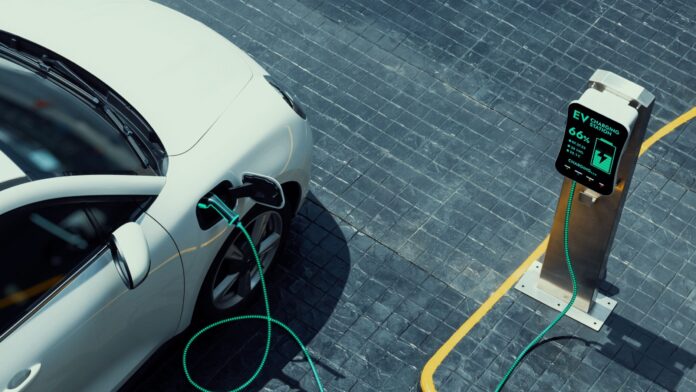
By Sabeeh Zanair :
Energy experts and policymakers in Pakistan have called for urgent, coordinated action to accelerate the transition to electric vehicles, warning that global geopolitical tensions and volatile oil markets are exposing deep vulnerabilities in the country’s energy system.
The concerns were raised during a consultation on transport energy security organised by the Sustainable Development Policy Institute, where participants highlighted the growing risks linked to Pakistan’s heavy reliance on imported oil.
Dr Sajid Amin Javed, a senior official at the institute, said the current global situation was a stark reminder of both oil market instability and fragile supply chains. He noted that oil imports make up the largest share of Pakistan’s import bill, placing sustained pressure on the economy. With transport accounting for the bulk of fuel consumption, he argued that reforms must begin with electrifying this sector.
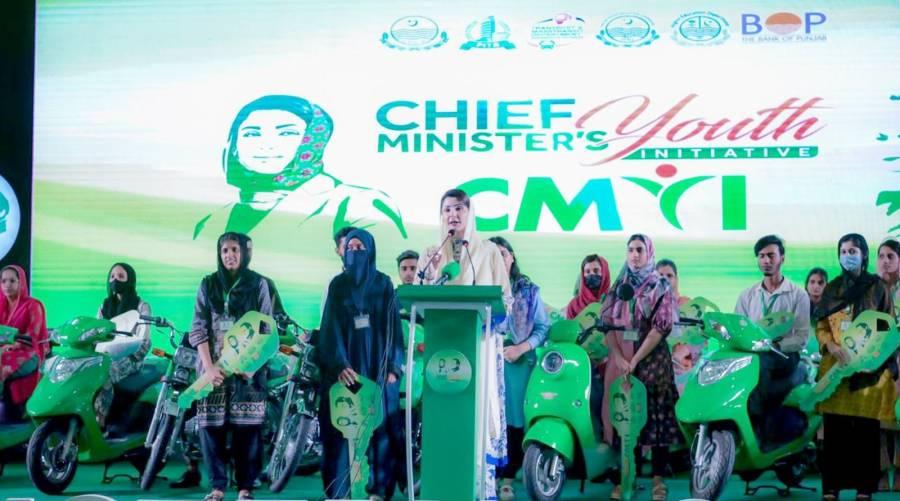
Participants stressed that the transition to electric mobility should be prioritised in upcoming federal and provincial budgets, with targeted incentives to support adoption. Proposals included trade-in schemes to replace conventional vehicles, particularly motorbikes, which account for a significant share of petrol use, as well as pooled financing mechanisms involving banks and industry stakeholders.
Experts also warned that Pakistan’s exposure goes beyond fluctuating oil prices. Engineer Ubaid ur Rehman Zia said disruptions to global supply chains, particularly in the context of tensions in the Middle East, pose an additional threat, making diversification of energy sources increasingly urgent.
At the same time, there was recognition of opportunities within the country’s evolving energy landscape. Dr Naveed Arshad of the LUMS Energy Institute pointed to Pakistan’s rapid expansion in solar power, largely driven by private investment. Unlike many countries where large-scale grid generation dominates, much of Pakistan’s solar growth has come from consumers installing systems themselves. He suggested that this momentum could be harnessed to support electric vehicle adoption through improved grid infrastructure, expanded charging networks and updated regulations.
Speakers repeatedly highlighted policy and regulatory barriers as key obstacles. Prof Aazir Anwar Khan from the University of Lahore argued that Pakistan could learn from countries such as China by integrating energy, transport and battery industries into a unified strategy. He also called for local manufacturing of electric vehicles and batteries, alongside initiatives such as retrofitting millions of existing motorbikes and introducing battery-swapping systems.
Financing challenges emerged as another major concern. Dr Majid Bilal Khan of the Indus Consortium said banks remain cautious due to policy uncertainty and concerns about resale values and battery life. He urged the government to introduce long-term, consistent policies, concessional loans and to remove caps on financing, particularly for smaller vehicles such as two- and three-wheelers.
Other participants emphasised the need for stronger institutional support and public awareness. Saleeha Qureshi of SDPI pointed to the importance of political will, while technology entrepreneurs called for a broader public narrative linking electric mobility with sustainable urban development. They argued that EV adoption should be integrated into wider transport planning, including public transit systems and efforts to reduce reliance on private cars.
Recommendations presented at the forum included bringing forward national EV targets, expanding charging infrastructure beyond current plans, and redirecting public development funds towards projects that support electrification. Experts also suggested ring-fencing revenues from petroleum levies to fund EV initiatives and introducing streamlined, single-window systems for financing and licensing.
Industry representatives warned of gaps in technical standards, particularly around the conversion of conventional vehicles to electric, and called for clearer regulatory frameworks. Others highlighted the need for workforce training programmes to prepare mechanics and technicians for the shift to new technologies.
Government officials acknowledged shortcomings in current policies and stressed the importance of better coordination between federal and provincial authorities. Analysts noted that rising fuel costs are already placing a growing burden on consumers, with monthly expenses for transport increasing sharply in recent years, further strengthening the case for alternatives.
Concluding the discussion, participants said Pakistan’s recent expansion in solar energy demonstrated that rapid technological change is possible when supported by the right policies. However, they warned that without consistent regulation, improved financing and stronger local industry development, the transition to electric mobility could remain slow — leaving the country exposed to future energy shocks.
About The Author