
 techend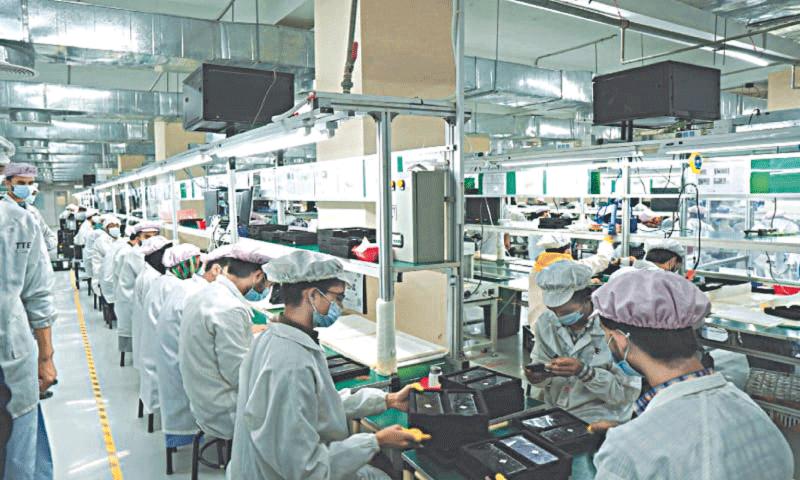
By Tanveer Ahmed :
Pakistan’s local mobile phone manufacturing declined in June, while imports rose sharply, signalling a shift in the handset market despite continued overall growth in consumer demand.
According to the latest data released by the Pakistan Telecommunication Authority (PTA), local manufacturers assembled 1.93 million mobile phones in June 2026, compared with 2.19 million units during the same month last year, representing a 12% year-on-year decline.
Production also weakened on a monthly basis, falling 4% from May, suggesting that domestic handset assembly lost momentum despite rising demand for smartphones across the country.

Industry analysts attribute the sharp rise to pre-budget purchasing by importers and retailers, as well as increased consumer interest following the opening of AIRLINK’s Apple Mono Store, which expanded access to premium smartphones in the local market.
Although local assembly slowed in June, Pakistan’s mobile manufacturing industry continued to produce large volumes during the first half of the year. Between January and June 2026, manufacturers assembled 13.10 million mobile phones, down 8% from 14.24 million units recorded during the same period last year.

Overall handset availability continued to grow as imports supplemented domestic production. Combined local assembly and imports reached 2.57 million units in June, an increase of 12% year-on-year and 11% compared with May.
For the first six months of 2026, Pakistan’s total handset supply reached 15.65 million units, representing a 4% increase over the corresponding period in 2025.
The increase in imported devices reduced the share of locally assembled phones in the monthly market. Domestic manufacturers accounted for 75% of total handset supply in June, compared with 86% in May. However, locally assembled phones still represented 85% of the total market during the first half of 2026, indicating that local production remains the dominant source of mobile devices.

Pakistan has expanded its mobile phone manufacturing sector significantly in recent years through local assembly policies aimed at reducing dependence on imports and encouraging investment in the electronics industry. Several international smartphone brands now assemble devices locally through partnerships with Pakistani manufacturers.
Industry experts say the recent increase in imports may reflect short-term market conditions rather than a long-term reversal. Factors such as exchange rate movements, tax changes, product launches and consumer demand for premium smartphones can temporarily influence import volumes.
However, analysts note that maintaining a competitive local manufacturing ecosystem will require continued policy support, stable taxation and greater investment in advanced production capabilities. Strengthening domestic manufacturing remains important for creating jobs, reducing import dependence and supporting Pakistan’s broader digital economy ambitions.
About The Author