
 techend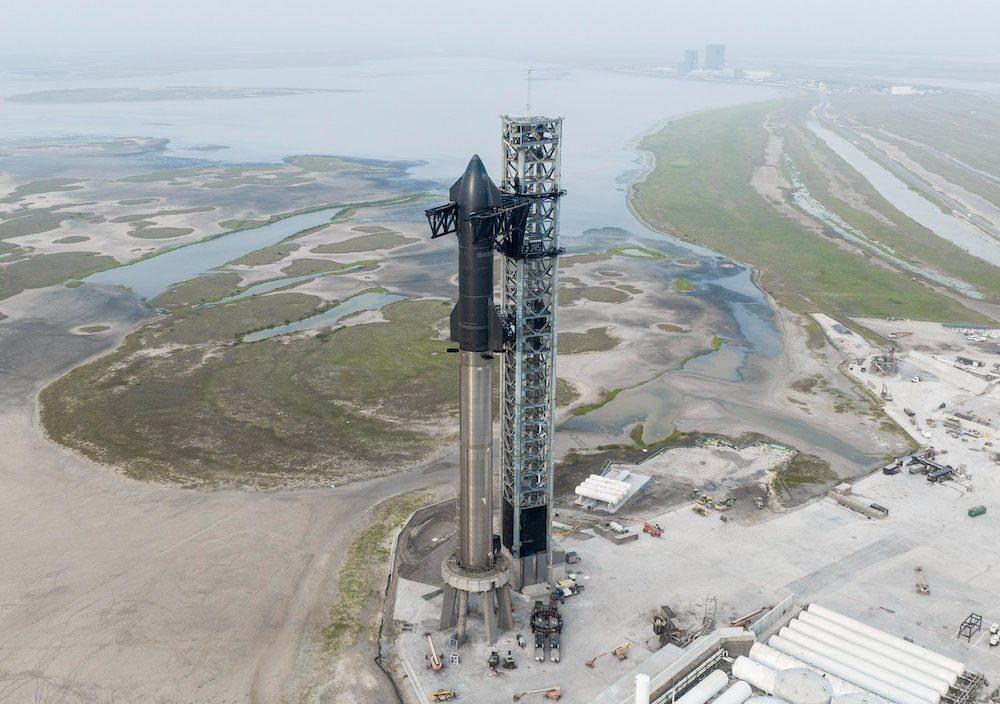
By Web Desk :
SpaceX has postponed the launch of its next-generation Starship rocket after an automatic safety system halted the countdown when several engines failed to ignite, delaying a mission that is closely watched by investors and NASA.
The launch was called off on Thursday at SpaceX’s Starbase facility in South Texas after the vehicle’s onboard systems detected an engine issue during the final stages of the countdown. The automatic abort prevented the rocket from lifting off, allowing engineers to investigate the problem before another launch attempt.
SpaceX founder and chief executive Elon Musk said on X that several Raptor engines did not ignite as expected, triggering the safety system exactly as designed. He added that two engines would be replaced before the next launch attempt, which is expected to take place early next week if repairs proceed as planned.
The launch delay also had an immediate impact on investor sentiment. SpaceX shares fell more than 3% in after-hours trading, extending recent losses following the company’s public market debut. The stock closed at $131.11, remaining below its $135 initial public offering (IPO) price and marking its fifth consecutive losing trading session.
Unlike previous years, when launch delays primarily affected mission schedules, SpaceX now faces direct scrutiny from shareholders. The company recently completed a record $85.7 billion fundraising, making each test flight a closely watched event for investors as well as the aerospace industry.
The postponed mission was set to be the first test flight of Starship Version 3 (V3) and was expected to carry 20 next-generation Starlink satellites, demonstrating upgrades to both the rocket and SpaceX’s satellite internet network.

The latest delay follows another setback during a Starship V3 test in May, when the rocket failed to restart its engines during descent and fell into the Gulf of Mexico. Following that incident, the US Federal Aviation Administration (FAA) identified heat-related effects on propulsion components and issues with engine alarm settings during its investigation.
Earlier this week, the FAA cleared SpaceX to resume Starship flights after the company implemented a series of corrective measures designed to improve engine reliability and flight safety.
Starship is central to SpaceX’s long-term ambitions, including missions to the Moon and Mars. The fully reusable launch system is designed to carry large cargo payloads and eventually transport astronauts on deep-space missions, while also supporting the continued expansion of the Starlink satellite constellation.

NASA is also closely monitoring the programme because Starship has been selected as the Human Landing System for the Artemis programme, which aims to return astronauts to the Moon later this decade. Any delays in Starship testing could have implications for the timeline of future lunar missions.
Despite the latest setback, aerospace analysts note that replacing two engines is considered a routine engineering fix rather than a fundamental redesign of the rocket. If no additional issues emerge during inspections, SpaceX is expected to make another launch attempt within days.
The incident highlights both the challenges of developing the world’s largest launch vehicle and the increased pressure facing SpaceX as it balances rapid innovation with investor expectations and critical government contracts.