
 techend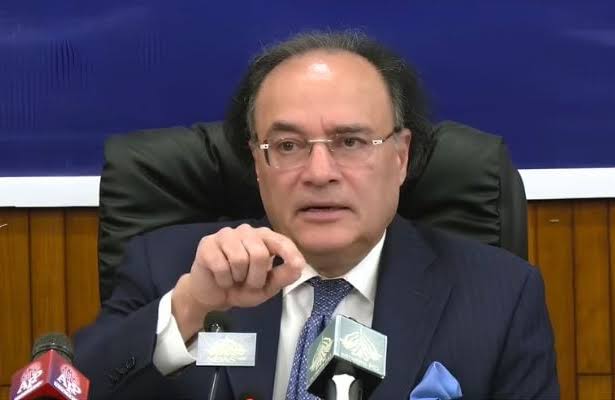
By Sabeeh Zanair :
Pakistan’s new tax administration system will use artificial intelligence and digital technology to automate processes and reduce direct interaction between tax officials and taxpayers, Finance Minister Muhammad Aurangzeb has said.
Speaking at the second edition of Pakistan Banking Summit 2026 in Karachi, the finance minister said Parliament had approved a new tax administration model designed to create a technology-driven relationship between the tax authority and citizens.
He said tax notices would now be generated through the new AI-powered system, with human involvement significantly reduced.
AI to Transform Tax Administration
Aurangzeb described the new system as a major change in Pakistan’s tax management approach, saying it would move the country towards a more automated and transparent framework.
“Human intervention is going to be minimal. It is a model which is AI and technology-led, and notices will be issued by it,” he said.
The government believes automation could help improve efficiency, reduce delays and limit unnecessary interaction between taxpayers and tax officials.
Experts say AI-based tax systems can help identify inconsistencies, analyse large amounts of financial data and improve compliance, although successful implementation will depend on data security, transparency and public trust.
Remittances Expected to Reach $42 Billion
During his address, the finance minister also highlighted Pakistan’s economic performance, saying the country’s current account position remained strong due to record remittance inflows.
He said remittances were expected to reach between $41 billion and $42 billion during the current fiscal year.
Aurangzeb said the previous fiscal year ended with improvements across key economic indicators, including a primary surplus, lower fiscal deficit and a debt-to-GDP ratio below 70 per cent.
He added that economic growth reached 3.7 per cent, supported by a recovery in large-scale manufacturing.
Foreign Reserves and Investment Outlook
The finance minister said Pakistan’s foreign exchange reserves were expected to reach around $18.4 billion by the end of the fiscal year, exceeding earlier projections.
He also highlighted Pakistan’s entry into the international bond market, particularly the issuance of the Panda Bond, saying the country had been working towards accessing China’s capital market for several years.
Focus on Exports and Business Growth
Aurangzeb said the government’s economic strategy was focused on export-led growth, reducing barriers for businesses and improving access to financing.
He said recent budget measures included removing certain taxes affecting businesses, providing low-cost financing and continuing reforms in the tariff system.
The finance minister added that a medium-term tax strategy would also be introduced to improve revenue collection and expand the tax base.
Banks to Play Key Role in Economic Growth
Aurangzeb said the banking sector would remain critical as Pakistan moved from economic stabilisation towards sustainable growth.
He stressed the need for greater lending to key sectors, including:
- Small and medium-sized enterprises (SMEs)
- Export industries
- Agriculture
- Manufacturing
- Construction
- Information technology
He said while progress had been made, significant work remained to strengthen access to finance.
Privatisation Programme Continues
Speaking about privatisation efforts, Aurangzeb said Pakistan International Airlines (PIA) had moved into private ownership.
He added that roadshows for three electricity distribution companies had been completed, while 28 institutions had been transferred to the Privatisation Commission.
The finance minister also praised the role of the Pakistan Banks’ Association and requested recommendations from banking industry leaders to support economic reforms.
About The Author