
 techend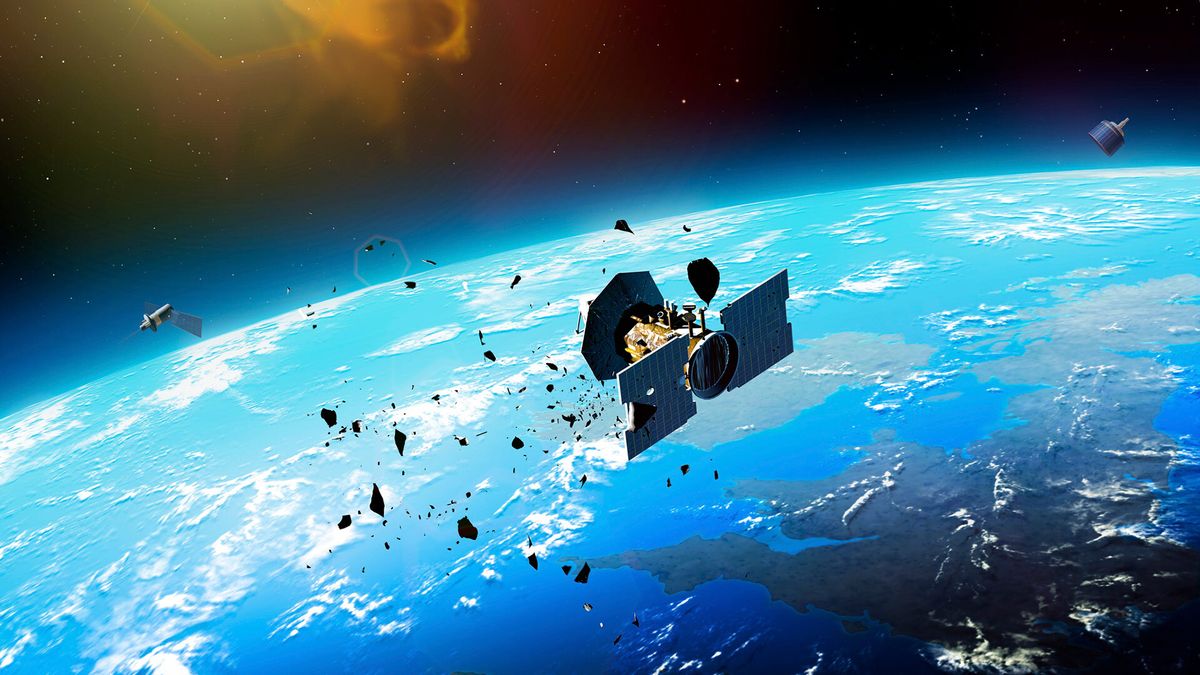
By Web Desk :
SpaceX is intentionally destroying hundreds of its Starlink satellites every month as part of a planned disposal programme designed to reduce space debris and maintain a safer orbital environment.
The company reported that 260 Starlink satellites were removed from orbit between December 2025 and May 2026 through controlled atmospheric re-entry, according to a semi-annual filing submitted to the US Federal Communications Commission (FCC).
The move is part of SpaceX’s long-term strategy to manage its rapidly expanding satellite network as older spacecraft reach the end of their operational life.
Controlled Re-entry Prevents Space Debris
When Starlink satellites are retired, SpaceX guides them back towards Earth’s atmosphere, where they travel at extremely high speeds and are destroyed by intense friction and heat.
The satellites burn up during re-entry at speeds of around 27,000 kilometres per hour, preventing large pieces of debris from reaching Earth’s surface.
SpaceX said its satellite disposal process has achieved a reliability rate of more than 99 per cent, exceeding the FCC’s requirement of 95 per cent for responsible satellite deorbiting.
Of the satellites recently destroyed:
- 176 were first-generation Starlink satellites
- The remaining satellites belonged to newer Gen2 models
The company has also decommissioned another 349 satellites, which are expected to be removed from orbit in the coming months.
Growing Starlink Network Creates New Challenges
SpaceX’s Starlink constellation has become one of the largest satellite networks ever deployed.
The company currently operates more than 10,000 satellites and has approval to eventually expand the network to around 42,000 spacecraft.
Newer Starlink Gen2 satellites are significantly larger than earlier versions, weighing approximately 800 kilograms, compared with around 260 kilograms for the original generation.
As the number of satellites increases, regular disposal of ageing spacecraft has become a necessary part of maintaining orbital safety.
Scientists Raise Environmental Concerns
While controlled re-entry reduces the risk of space debris, scientists are studying the possible environmental impact of repeatedly burning large numbers of satellites in the atmosphere.
Researchers are particularly concerned about materials such as aluminium used in satellite structures.
When satellites burn up, they can release microscopic particles, including aluminium oxide, into the upper atmosphere. Scientists say more research is needed to understand how these particles could affect atmospheric chemistry over time.
Studies have suggested that pollution linked to satellite re-entry has increased since the beginning of the megaconstellation era around 2020.
Debate Over Space Environmental Rules
The increasing number of satellite launches has also raised questions about how space activities should be regulated.
The FCC has historically limited environmental reviews for satellite operations, partly due to concerns that additional regulations could slow innovation in the space sector.
The agency is now considering proposals related to environmental assessments for space activities, including whether certain operations should fall outside existing review requirements.
Future Space Infrastructure
SpaceX is also exploring new uses for satellite technology, including plans for orbital data centres using satellite platforms with advanced computing capabilities.
Experts say that as commercial space activity expands, companies will need to balance innovation with responsible management of Earth’s orbital environment.
For SpaceX, regularly removing old satellites from orbit is becoming an essential part of operating one of the world’s largest satellite networks — but scientists say the long-term effects of large-scale atmospheric re-entry require continued monitoring.
About The Author