
 techend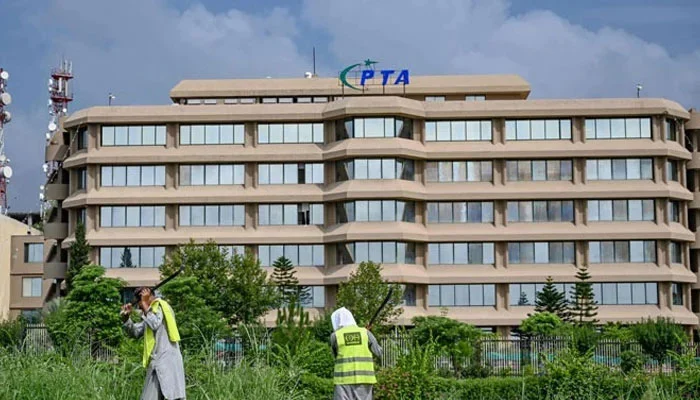
By Sabeeh Zanair :
Pakistan’s telecom regulator has launched a major crackdown on inactive infrastructure players, proposing strict rollout obligations to accelerate network expansion and support next-generation connectivity, including 5G.
The Pakistan Telecommunication Authority (PTA) has issued a consultation paper targeting Telecommunication Infrastructure Provider (Tower) license holders, many of whom have failed to build network infrastructure despite holding licences for years.
According to the regulator, out of 15 licensed tower companies, only nine have started operations, while just six have deployed 50 or more towers. This means a significant portion of licensed entities remain effectively dormant, slowing the country’s digital progress.
To address the issue, PTA has proposed a mandatory five-year rollout framework. Under the plan, each licensee would be required to deploy either 10 towers annually or install five Distributed Antenna Systems (DAS) per year. The dual-option approach is designed to provide flexibility while ensuring measurable infrastructure growth.
The regulator says the absence of such obligations in the past allowed companies to acquire licences without timely deployment, a practice it described as “speculative licensing”. This, in turn, has hindered tower density, a critical factor for improving network quality, reducing call drops, and enabling faster data speeds.
The move also aims to bring tower providers in line with other telecom sectors, such as Long Distance International and Local Loop operators, which already operate under strict rollout conditions.
Industry stakeholders, however, are expected to raise concerns over the financial feasibility of the targets. Tower deployment requires heavy investment in land, equipment, and energy, and companies are operating in a challenging economic environment marked by high costs and currency volatility.
The PTA has invited feedback from stakeholders, with a deadline set for May 4, 2026. Analysts suggest the policy could lead to consolidation in the sector, with smaller or inactive firms potentially exiting or merging with stronger players.
The timing of the move is seen as critical, as Pakistan prepares for broader 5G expansion. With telecom operators scaling up infrastructure and demand for high-speed connectivity rising, the regulator’s push signals a clear shift: holding a licence will now require tangible progress on the ground.
About The Author