
 techend
By Tanveer Ahmed :
The Pakistani government has introduced a major digital reform of its pension verification system, replacing traditional in-person checks with biometric and facial recognition technology in an effort to simplify procedures for nearly 1.7 million pensioners nationwide.
The new “Proof of Life” mechanism is designed to allow retired federal and provincial employees to verify their identity digitally without the need for repeated visits to bank branches, officials said.
Under the new system, pensioners will be able to authenticate themselves using fingerprints and facial recognition through platforms connected to the National Database and Registration Authority database.
Authorities said the initiative forms part of a wider effort to modernise pension disbursement, improve accessibility for elderly citizens and reduce fraudulent claims within the pension system.
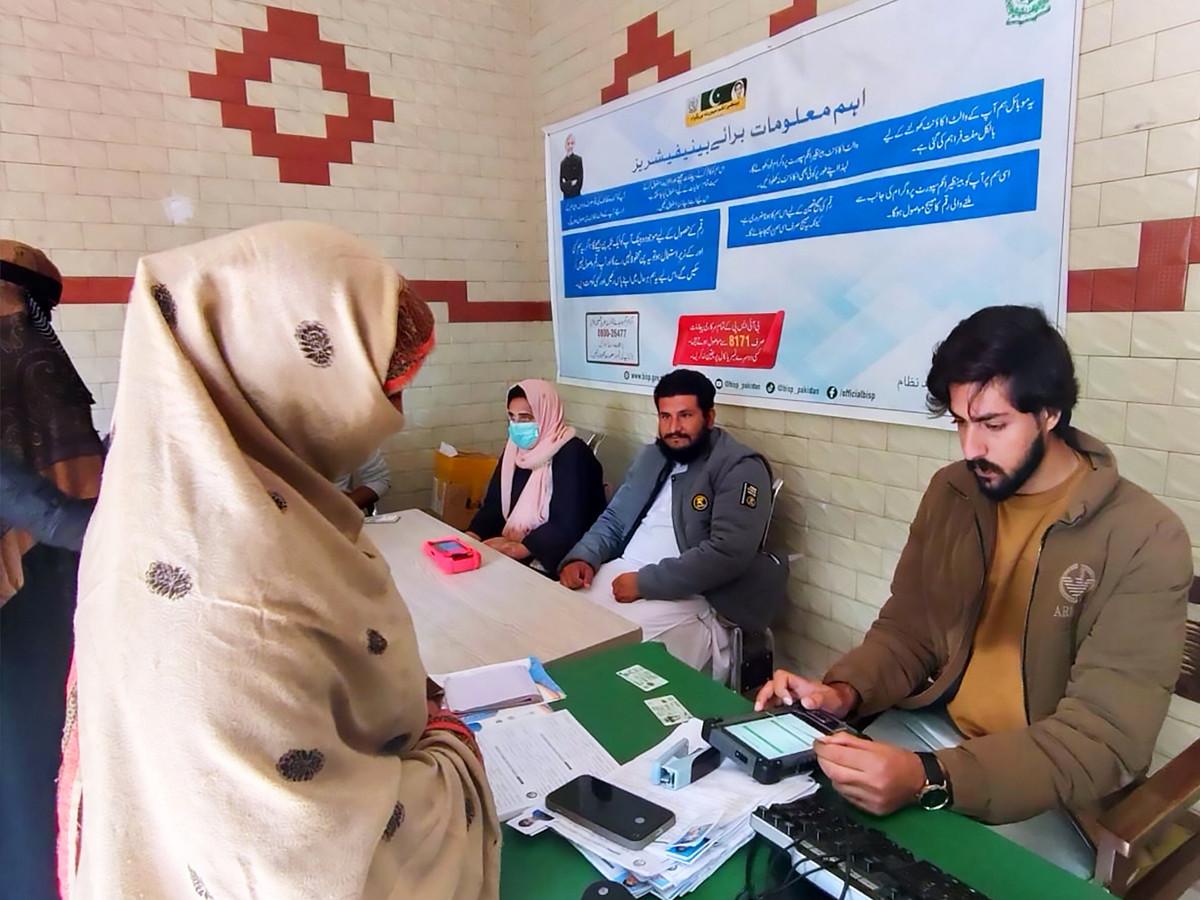
Previously, pensioners were generally required to appear physically at banks to confirm their status and continue receiving payments. The new digital model instead enables verification through multiple channels, including the Pak ID application, NADRA registration centres, e-Sahulat franchises and mobile verification facilities.
Officials believe the move will significantly reduce inconvenience for pensioners, particularly senior citizens and people living in remote areas who often face difficulties travelling to banks for annual verification procedures.
The reform is being implemented through coordination between the Controller General of Accounts, the Finance Ministry, the State Bank of Pakistan and NADRA, according to official correspondence reviewed by authorities.
Commercial banks are now being instructed to integrate their branch systems and mobile applications with NADRA’s verification infrastructure and the e-Sahulat platform to digitally process Proof of Life Certificates.
Officials said the government was also developing a “diminished fingerprint” application programming interface (API), aimed at assisting pensioners whose fingerprints cannot be accurately scanned because of age or medical conditions. In such cases, facial recognition technology would be used as an alternative method of authentication.
The Prime Minister’s Office has described the initiative as part of broader efforts to digitise public services and improve transparency in government payments. Authorities say the system will rely on NADRA’s Proof of Life Certificate and Family Registration Certificate databases to ensure that pension payments are issued only to eligible recipients.
At the same time, the government has asked the Finance Division to approve a revised financial structure under which NADRA would either waive or significantly reduce charges linked to the verification process. Officials said the revised model would integrate Proof of Life Certificates and Family Registration Certificate addendums under a lower-cost framework to reduce the financial burden on pensioners.
According to the Controller General of Accounts, most policy decisions concerning the integration of pension databases with NADRA systems have already been finalised. However, implementation involving commercial banks and compliance measures with the central bank are still being completed.
Officials said the Prime Minister’s Office would formally inaugurate the digital pension verification system once the remaining banking integration process had been finalised.
Pakistan has increasingly accelerated efforts to digitise public administration and financial services in recent years as part of broader reforms aimed at improving governance, reducing fraud and expanding digital accessibility for citizens.
About The Author