
 techend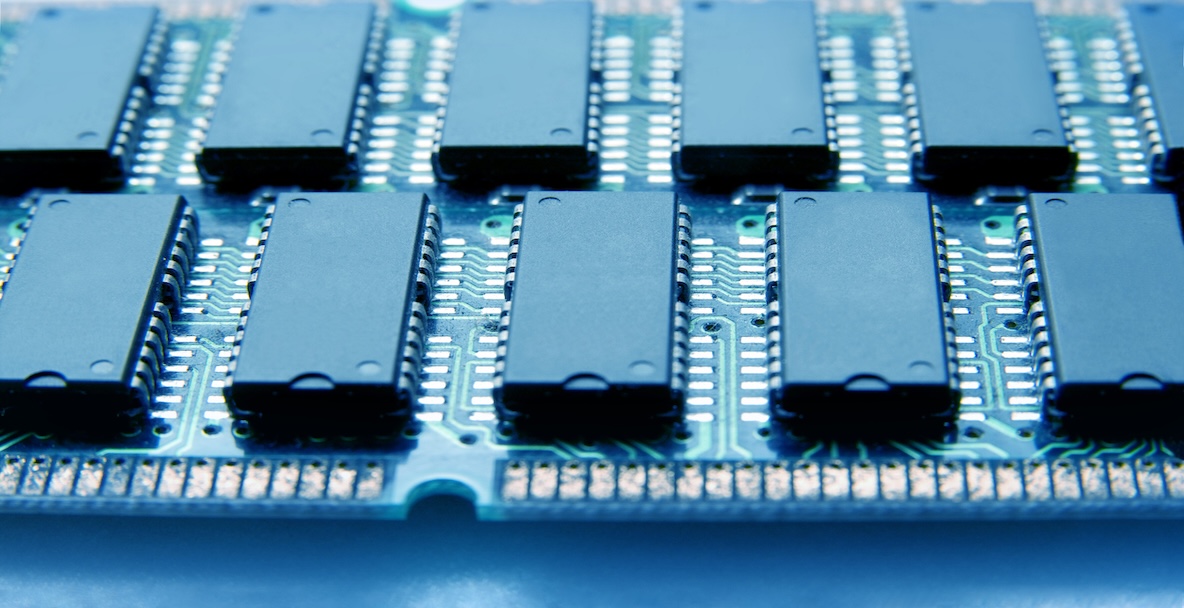
By Ariz Riaz :
The conflict in the Middle East is increasingly disrupting global technology supply chains and driving up the cost of key components used in electronics ranging from smartphones and computers to artificial intelligence servers, industry executives and sources say.
Manufacturers are reporting sharp increases in the price of printed circuit boards (PCBs), a core component used in almost all electronic devices. The disruption comes at a time when the sector is already under pressure from rising memory chip costs, adding further strain to global production networks.
At the centre of the disruption is damage to petrochemical supply chains following strikes on Saudi Arabia’s Jubail Industrial City, a major industrial hub. The attacks halted production of high-purity polyphenylene ether (PPE) resin, a critical material used in PCB laminates.
The Saudi petrochemical giant SABIC, which produces a large share of global high-purity PPE supply, has reportedly been unable to resume full production. This has significantly tightened global availability of the material. Shipping routes in the Gulf region have also been disrupted due to the ongoing conflict, further complicating supply chains.
As a result, PCB prices have surged sharply. Analysts at Goldman Sachs estimate that prices rose by as much as 40% in April compared with the previous month, as manufacturers rushed to secure raw materials amid fears of prolonged shortages.
Demand pressures have also intensified due to the rapid expansion of artificial intelligence infrastructure, particularly data centres, which require advanced PCBs. Industry forecasts suggest the global PCB market will continue to grow strongly in the coming years, even as supply constraints persist.
Supply chain companies are already responding to the crisis. South Korean manufacturer Daeduck Electronics has begun negotiations with customers over price increases, citing longer delivery times for key inputs such as epoxy resin, which have reportedly stretched from a few weeks to as long as 15 weeks.
The price increase is not limited to resin alone. Shortages of glass fibre and copper foil are also contributing to rising production costs. Copper, which accounts for a large portion of PCB manufacturing expenses, has seen significant price increases this year.
Chinese supplier Victory Giant Technology has warned that continued instability in the Middle East could further increase prices of essential materials such as resin and copper.
Industry data shows that multi-layer PCBs used in advanced electronics can cost significantly more depending on specifications, with high-end versions for AI servers reaching several thousand yuan per square metre.
Analysts say the situation highlights how geopolitical tensions are increasingly affecting global technology supply chains. With demand rising and supply disrupted, consumers may eventually face higher prices for electronic products, while companies struggle to maintain stable production costs.
About The Author