
 techend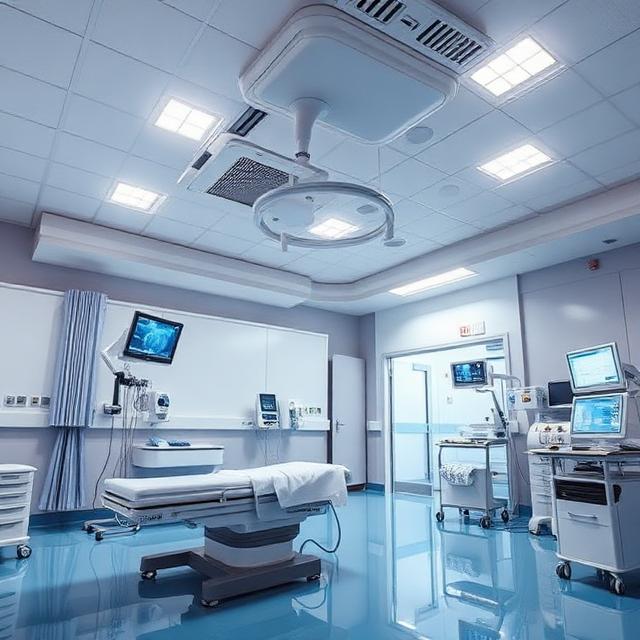
By Tanveer Ahmed :
Punjab is set to overhaul its public healthcare system by moving toward a fully digital and paperless model, as part of a major reform initiative announced by Maryam Nawaz. The programme aims to improve patient services, enhance hospital efficiency, and introduce stronger oversight mechanisms across government-run medical facilities.
Speaking at a conference of hospital chief executives and medical superintendents in Lahore, the chief minister led an integrity pledge, urging senior health officials to commit to transparency and zero tolerance for corruption. She said digital governance would play a central role in eliminating inefficiencies and ensuring better healthcare delivery.
According to officials, district and tehsil headquarters hospitals have already adopted paperless workflows, while patient facilitation services are being digitised to allow faster registration, record-keeping, and treatment processes.
To strengthen accountability, the provincial government has introduced Key Performance Indicators (KPIs) for hospital leadership and launched a new Performance Evaluation Report system to monitor the performance of doctors. Dedicated monitoring staff, hospital administrators, and procurement officers will now oversee daily operations, while emergency departments have been connected to Safe City surveillance systems. Doctors’ use of mobile phones during duty hours has also been restricted.
The provincial health budget has increased significantly, rising from Rs399 billion to Rs630 billion. Over 1,500 new doctors have been recruited, and outstanding payments worth Rs22 billion have been cleared to ensure uninterrupted availability of medicines in public hospitals.
Hospital administrations have been directed to maintain essential drug supplies, functional medical equipment, hygienic environments, and smooth patient movement through colour-coded triage systems.
Authorities have also banned pharmaceutical representatives from entering hospital premises, while special inspection teams will conduct regular visits to enforce compliance with new standards.
The chief minister reiterated that no citizen should be forced to travel outside their district for medical treatment, noting that public hospitals primarily serve low-income and vulnerable communities.
Maryam Nawaz also highlighted the success of the Chief Minister Children Heart Surgery Programme, under which more than 10,000 children have received free cardiac surgeries, including patients from Khyber Pakhtunkhwa, Azad Jammu and Kashmir, Gilgit-Baltistan, Balochistan, Sindh, and federal territories.
During her visit to Children’s Hospital Lahore, she inaugurated a new intensive care unit, met patients and their families, and announced an increase in the number of cardiac surgeons and specialists to meet growing healthcare demand across the province.
About The Author