

 techend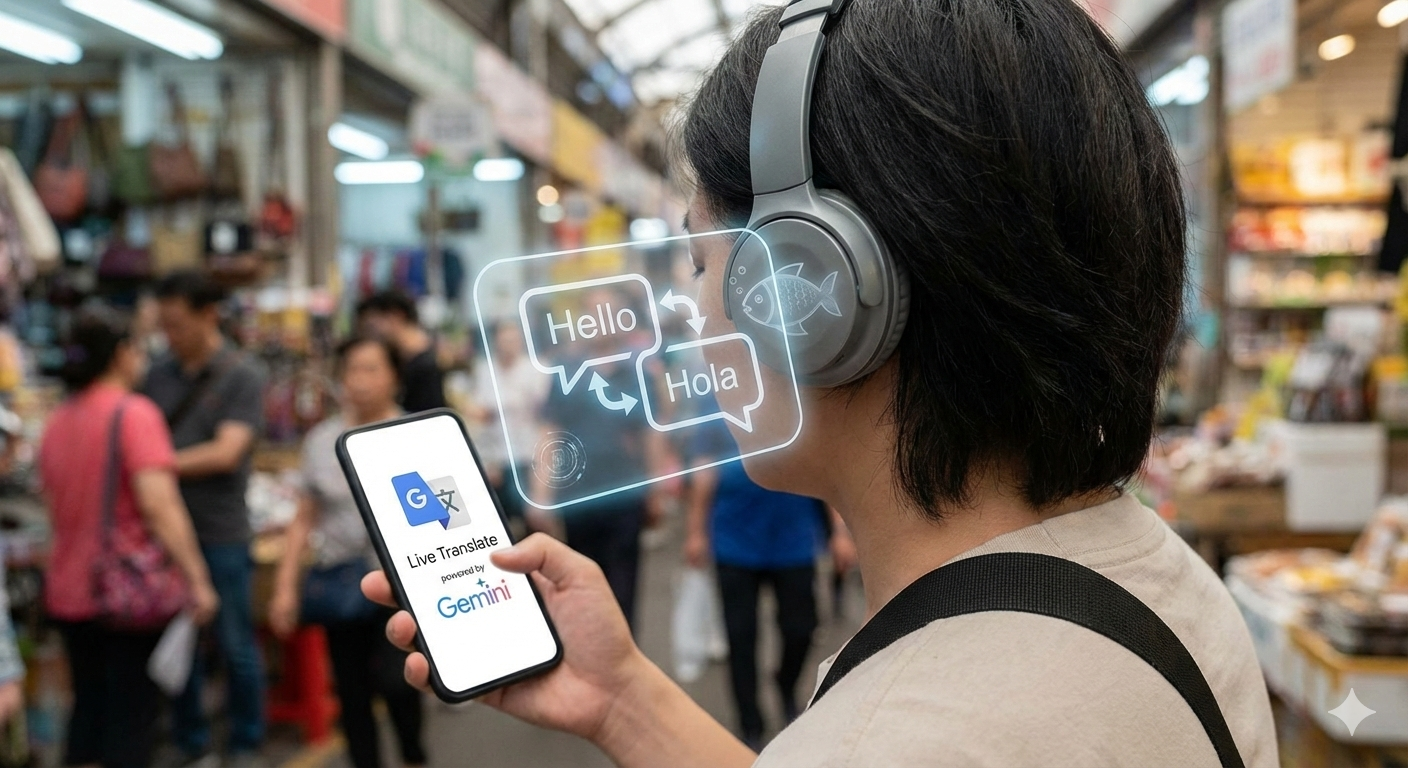
By embedding Gemini’s architecture directly into the platform, Google Translate can now decipher the subtle complexities that often trip up traditional machine translation. Rather than providing rigid, literal results, the system is designed to grasp local slang, regional idioms, and nuanced expressions.
This shift toward “context-aware” results ensures that translations feel more natural to native speakers. The initial rollout is currently live in the United States and India, covering nearly 20 primary languages—including Spanish, Hindi, German, and Chinese—across mobile and web interfaces, with a wider global expansion planned for the coming months.
Perhaps the most significant technological leap is the introduction of a Live Speech Translation beta. Utilizing Gemini’s native speech-to-speech capabilities, users can experience real-time interpretation through their headphones. The feature eliminates the need for specialized hardware, making cross-lingual communication accessible on standard smartphones.
The beta introduces two primary interaction modes:
-
Continuous Listening: The AI monitors surrounding speech and provides a persistent translation stream into the user’s target language.
-
Two-Way Dialogue: The system intelligently detects which party is speaking and automatically toggles the output language to facilitate a seamless back-and-forth conversation.
While currently supporting over 70 languages on Android in specific regions, Google expects to bring these features to iOS and additional territories by 2026.
Google is also repositioning Translate as a comprehensive language-learning hub. The update introduces enhanced practice modules that offer personalized feedback and progress metrics. These tools are designed to help users refine their pronunciation and grammar, moving the app beyond a utility tool and into the realm of educational technology.
This upgrade reflects a broader industry movement where tech giants are racing to weave generative AI into the fabric of daily communication. By bridging the gap between text and real-time verbal interpretation, Google is effectively setting a new benchmark for digital accessibility. For travelers and professionals alike, these enhancements aim to dismantle language barriers more effectively than any previous iteration of the software.
About The Author