

 techend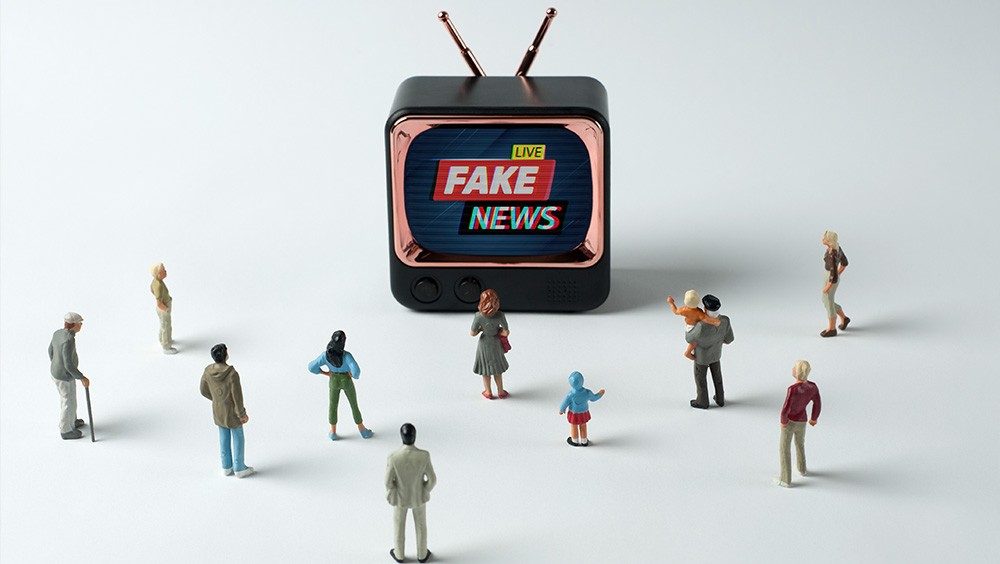
By Tanveer Ahmed :
The increasing integration of social media into daily life, spanning all demographics and economic classes, has brought with it a significant challenge: the pervasive spread of fake news and its detrimental impact on global users. This article outlines what constitutes fake news, identifies its common forms online, and provides straightforward techniques for instant verification.
Defining Fake News
Fake news is defined as narratives, visuals, or video content that present false or misleading information as fact. The intent behind this deception is often to garner views, advance a specific agenda, or simply sow discord. It encompasses everything from deliberately fabricated stories intended to cause chaos to poorly researched reports that inadvertently spread inaccuracies.
Common Categories of Online Misinformation
Users frequently encounter several distinct types of fabricated content on platforms such as X (formerly Twitter), YouTube, Facebook, and Instagram:
-
Clickbait and Exaggerated Headlines: These posts employ overly dramatic or sensational titles solely to maximize engagement and clicks. While the core story might be accurate, the headline is manipulated to be misleadingly “juicy.”
-
Mismatched Content: This occurs when the headline bears little to no relevance to the actual content of the story. Bold claims in the title often disappoint readers who click through.
-
Agenda-Driven Narratives: Content crafted to distort reality with the explicit goal of inflaming public emotion, often around political, religious, or cultural flashpoints.
-
AI-Generated Fake Media (Deepfakes): The proliferation of AI tools has made it easy to generate hyper-realistic fake images, videos, and audio. These can be created for amusement, to damage reputations, or to rapidly gather views.
-
Unverified or Sloppy Reporting: News items disseminated without proper fact-checking or verification. While some facts might be included, the report may be largely incorrect.
-
Impersonation of Credible Outlets: The creation of fraudulent accounts or pages mimicking major media organizations. Verification badges on platforms like X, Instagram, and Facebook serve as quick identifiers for legitimate celebrity and brand accounts.
The Dangers of Misinformation
Fake news poses a significant threat because it breeds confusion and misrepresentation regarding crucial subjects like politics, health, and social affairs. It is often employed to incite fear, anger, or societal divisions, which can intensify real-world and online conflicts. Furthermore, the constant exposure to fabricated content erodes public trust in legitimate news institutions and foundational institutions over time.
Simple Steps for Instant Fact-Checking
To quickly identify and avoid misinformation, apply these easy verification techniques:
-
Evaluate the Source: Check the story’s origin. Reliable publications typically feature transparent “About Us” pages, verifiable contact details, and a documented history of accurate reporting.
-
Verify Core Facts: Legitimate news includes specific, verifiable data points such as names, dates, quotes, and statistics. Cross-check this information with a simple online search.
-
Be Skeptical of Sensationalism: If a headline is excessively dramatic or aims to provoke a strong emotional response (fear or rage), exercise caution. This emotional language is a classic tactic used to generate quick clicks.
-
Scrutinize Visual Media: Carefully examine images or videos that may be AI-altered or deepfakes. Look for tell-tale signs like unnatural facial features, strange shadowing, or lip movements that do not sync with the audio.
-
Utilize Verification Tools: If doubts persist, consult established fact-checking organizations or reliable news sources. Several free online tools can assist in this process:
-
Google Fact Check Explorer: Allows users to input keywords, phrases, links, or images to see if the information has already been vetted by fact-checkers.
-
Wayback Machine: Provides access to historical versions of websites, allowing users to track changes or deleted content.
-
Reverse Image Search: Uploading an image reveals its original source and helps determine if it has been reused or manipulated.
-
InVID-WeVerify Extension: A free browser tool designed specifically for video verification, capable of breaking down clips into keyframes and extracting metadata to check for context and authenticity.
-
About The Author