
 techend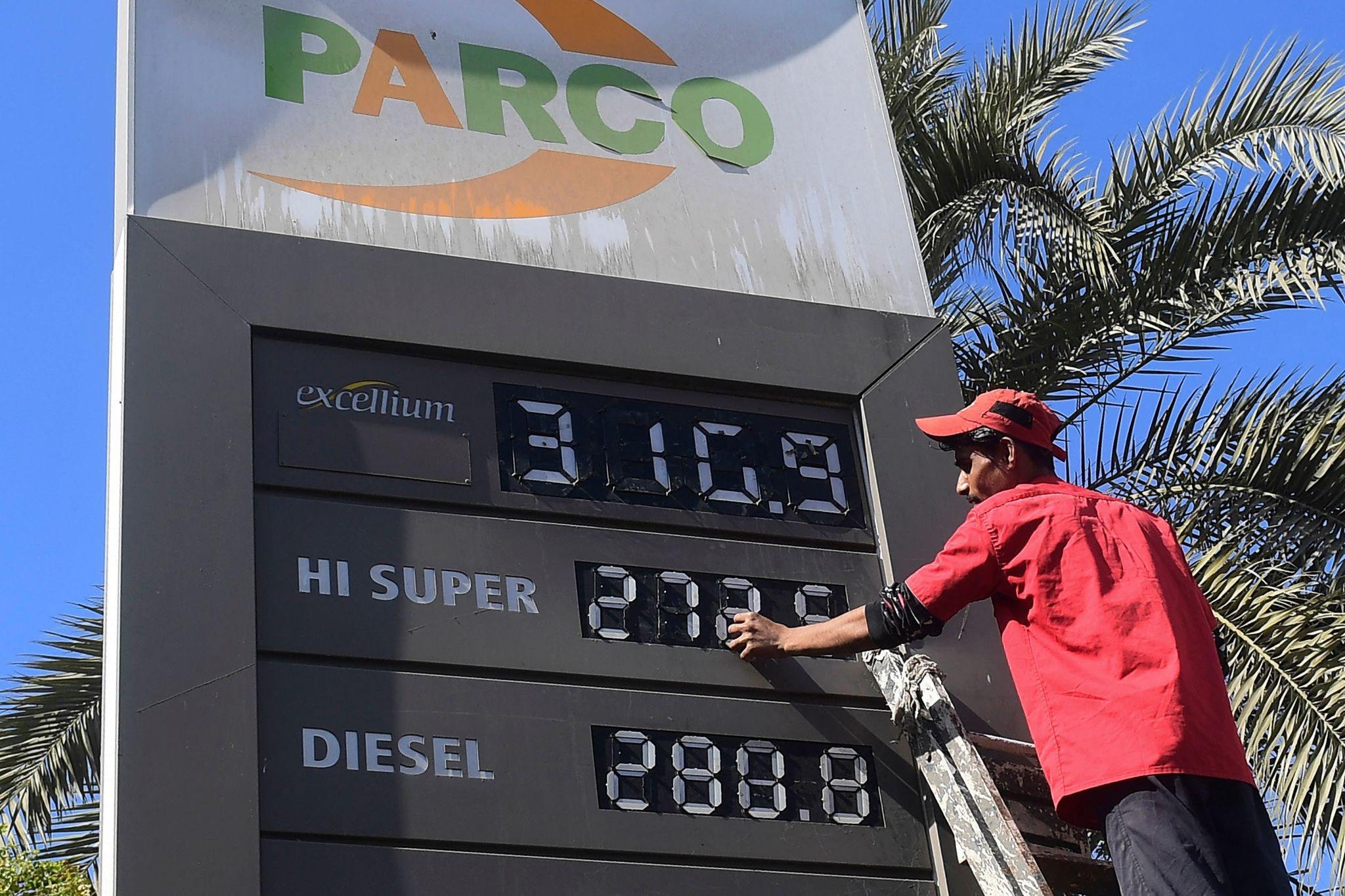
By Ariz Riaz :
The federal government has announced another increase in petroleum prices, lifting the cost of both petrol and high-speed diesel while introducing a new policy that will see fuel prices revised every day in response to volatile global oil markets.
According to an official notification, the price of petrol has increased by Rs. 5.44 per litre, rising from Rs. 310.71 to Rs. 316.15 per litre. Meanwhile, high-speed diesel has recorded a much steeper increase of Rs. 31.05 per litre, taking its price from Rs. 323.30 to Rs. 354.35 per litre.
The revised prices will come into effect from July 18, 2026, although the government said they will remain applicable for one day only under the newly introduced daily pricing mechanism.

The latest increase follows another fuel price hike announced just a week earlier, when both petrol and diesel became Rs. 13 per litre more expensive. The consecutive revisions reflect growing pressure on Pakistan’s fuel import bill as international crude oil prices remain unstable.
Earlier on the same day, Petroleum Minister Ali Pervaiz Malik announced that Pakistan would shift from fortnightly fuel price adjustments to daily revisions, citing sharp fluctuations in global oil markets triggered by renewed geopolitical tensions, including the conflict involving the United States and Iran.
The federal cabinet has approved the new pricing framework, authorising the Oil and Gas Regulatory Authority (OGRA) to calculate and announce petroleum prices on a daily basis.

Under the revised system, OGRA will also publish the pricing formula used to determine daily fuel rates. Officials say the move is intended to improve transparency by allowing consumers to understand how international oil prices, exchange rates and taxes influence retail fuel prices.
Ali Pervaiz Malik acknowledged that daily price changes could place additional financial pressure on households and businesses. However, he argued that the mechanism was necessary to ensure domestic fuel prices reflect rapidly changing conditions in international energy markets.
Economists say frequent price adjustments may reduce sudden large increases by allowing prices to move more gradually in line with global trends. However, they also warn that daily fluctuations could make household budgeting and business planning more difficult, particularly for transport operators and industries heavily dependent on fuel.

Petrol is primarily used by private vehicles, motorcycles and smaller commercial transport, while high-speed diesel powers heavy trucks, buses, agricultural machinery and much of Pakistan’s freight network. As a result, increases in diesel prices often have a wider impact on the cost of transporting goods, food and other essential commodities.
The latest revision comes as global oil markets continue to experience uncertainty amid geopolitical tensions and concerns over supply disruptions. Analysts say Pakistan, which relies heavily on imported petroleum products, remains particularly vulnerable to swings in international crude oil prices and exchange rate movements.
With daily fuel pricing now in place, consumers can expect petrol and diesel rates to be reviewed every day, making international oil market developments an increasingly important factor in domestic transportation and living costs.
About The Author