
 techend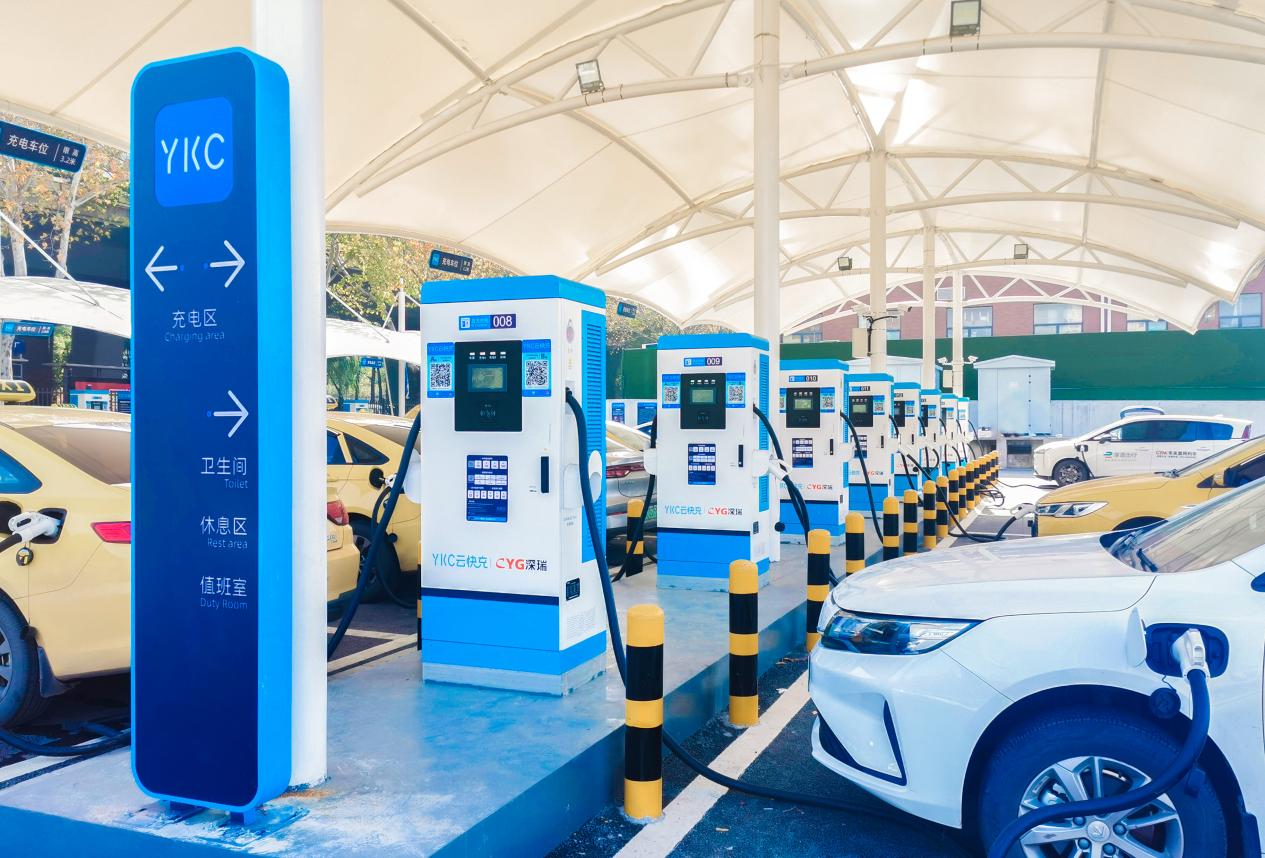
By Malik Shahzad Aslam :
China’s rapid shift towards electric taxis and ride-hailing vehicles is creating a new buffer against rising oil prices, reducing the country’s dependence on petrol while transforming urban transport.
Across Chinese cities, taxi and ride-sharing services are experiencing strong growth as more people choose app-based transport instead of driving their own petrol vehicles. Government data shows that passengers made 3.05 billion taxi and ride-hailing trips in May, with usage increasing significantly compared with the same period last year.
The trend has accelerated amid global energy uncertainty, including concerns over oil supply disruptions linked to conflicts in the Middle East. While fuel prices have risen, taxi fares in many Chinese cities have fallen due to intense competition among drivers and the growing availability of low-cost electric vehicles.

Analysts say a combination of economic pressure, rising numbers of drivers seeking income opportunities and cheaper electric vehicles has pushed ride-hailing prices lower. The result is an unusual situation where consumers are increasingly choosing taxis because they can be cheaper than using their own petrol-powered cars.
A part-time ride-hailing driver in Beijing, identified only by his surname Li, said fares had dropped by around 10 to 15 percent since he started working six months ago. He told Reuters that competition among drivers had become increasingly intense.
Many car owners are also turning to ride-hailing services to avoid fuel expenses. On Chinese social media platforms, hundreds of users have shared experiences saying that taking a taxi can cost less than driving themselves, especially when considering petrol costs, parking fees and vehicle maintenance.

The growing popularity of electric transport is strengthening China’s position as one of the world’s least oil-dependent major economies. According to China’s Ministry of Transport, around half of the country’s 1.3 million taxis are electric, while in some major cities nearly the entire taxi fleet has moved away from traditional fuel vehicles.
Ride-hailing giant Didi has also expanded its electric and hybrid fleet. The company says it added around two million hybrid or electric vehicles last year, bringing its total non-fossil fuel fleet to about eight million vehicles. Electric vehicles now account for a large share of the company’s total driving distance.
The impact is already visible in fuel consumption figures. China used around 10 percent less petrol and 14 percent less diesel in May compared with the previous year, despite increased road freight activity and record domestic travel during the May Day holiday period.

Environmental group Greenpeace has forecast that electric vehicles could account for around 90 percent of taxi and ride-hailing mileage in China by 2035, further reducing demand for oil-based fuels.
Daizong Liu, East Asia director at the Institute for Transportation & Development Policy, said higher fuel prices were encouraging people to drive petrol cars less. However, overall travel demand remained strong as commuters shifted towards taxis, public transport and subway networks.
The shift has also influenced China’s oil import strategy. The country has significantly reduced crude purchases compared with previous years, helping ease pressure on global energy markets during periods of geopolitical uncertainty.

Analysts believe the recent energy disruptions may have accelerated changes that were already underway. Natasha Kaneva, an analyst at JP Morgan, said China could become structurally less dependent on oil than global markets had previously expected.
However, experts say the long-term impact will depend on consumer behaviour once fuel prices return to lower levels. JP Morgan expects petrol demand in China to continue declining in coming years, although at a slower pace.
For many Chinese drivers, electric and hybrid vehicles are now becoming a practical economic choice rather than only an environmental decision. As charging infrastructure expands and electric fleets grow, China’s transport sector is increasingly moving away from oil — reshaping energy demand in the world’s largest automobile market.