

 techend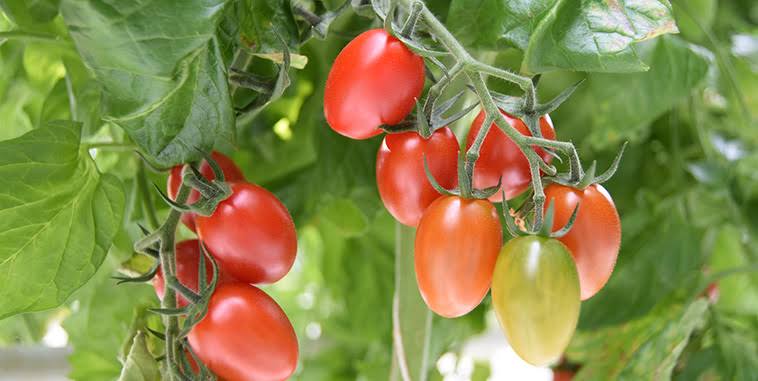
By Tanveer Ahmed :
Scientists in Pakistan are developing new heat-tolerant tomato hybrids aimed at improving crop production, reducing seasonal shortages and helping farmers adapt to changing climate conditions.
Researchers at the Vegetable Research Institute (VRI) in Faisalabad are working on high-yield tomato varieties that can survive higher temperatures and resist common viral diseases affecting crops in Pakistan.
Ghazanfar Hammad, Principal Scientist at VRI, said the newly developed hybrids are expected to be commercially available within the next two to three years.
“These varieties are being designed to perform better under Pakistan’s climate conditions while offering improved yield and disease resistance,” he said.
The institute is also developing local cherry tomato varieties that could introduce consumers to different colours, flavours and sizes of tomatoes that are currently limited in Pakistan’s market.
Climate Change and Supply Challenges
Pakistan produces around 4.2 million tonnes of tomatoes every year, but the country continues to face frequent supply shortages due to seasonal production gaps, extreme weather events and limited storage facilities.
Unlike some agricultural products, tomatoes have a very short shelf life, making storage and transportation difficult. Since Pakistan’s tomato processing industry remains underdeveloped, most of the crop is sold fresh, leaving markets vulnerable to sudden shortages.
During periods of low production, prices can rise sharply, affecting both consumers and small-scale farmers.
Regional Production Pattern
Tomato production in Pakistan is spread across different provinces according to seasonal conditions.
In Punjab, major tomato-producing districts include Muzaffargarh, Khushab, Sheikhupura, Multan, Faisalabad, Vehari, Khanewal and Gujranwala, which mainly supply markets between April and June.
Khyber Pakhtunkhwa and Balochistan contribute to supply from June to November, while Sindh generally provides tomatoes between December and April.
However, floods, extreme temperatures, weather disruptions and regional challenges can affect production cycles and create shortages.
Imports and Price Pressure
Pakistan often relies on imports from neighbouring countries, including Iran and Afghanistan, to fill supply gaps when domestic production declines.
However, disruptions in regional trade have affected availability. In June 2026, tomato prices reportedly increased significantly, reaching around Rs350 per kilogram in some markets after import options were restricted.
Agricultural experts say improving local varieties could reduce Pakistan’s dependence on imports and provide farmers with crops better suited to changing weather conditions.
Future of Tomato Farming
The development of heat-resistant hybrids comes at a time when farmers worldwide are facing increasing challenges from rising temperatures and unpredictable weather patterns.
Researchers believe climate-smart crops could play an important role in improving food security by helping farmers maintain production despite difficult environmental conditions.
Scientists at VRI are also exploring improved tomato preservation methods, including processing tomatoes into products such as paste, chutney and ketchup.
A stronger food processing sector could allow Pakistan to store surplus production during harvest seasons and maintain supply throughout the year, reducing price fluctuations for consumers.
About The Author