
 techend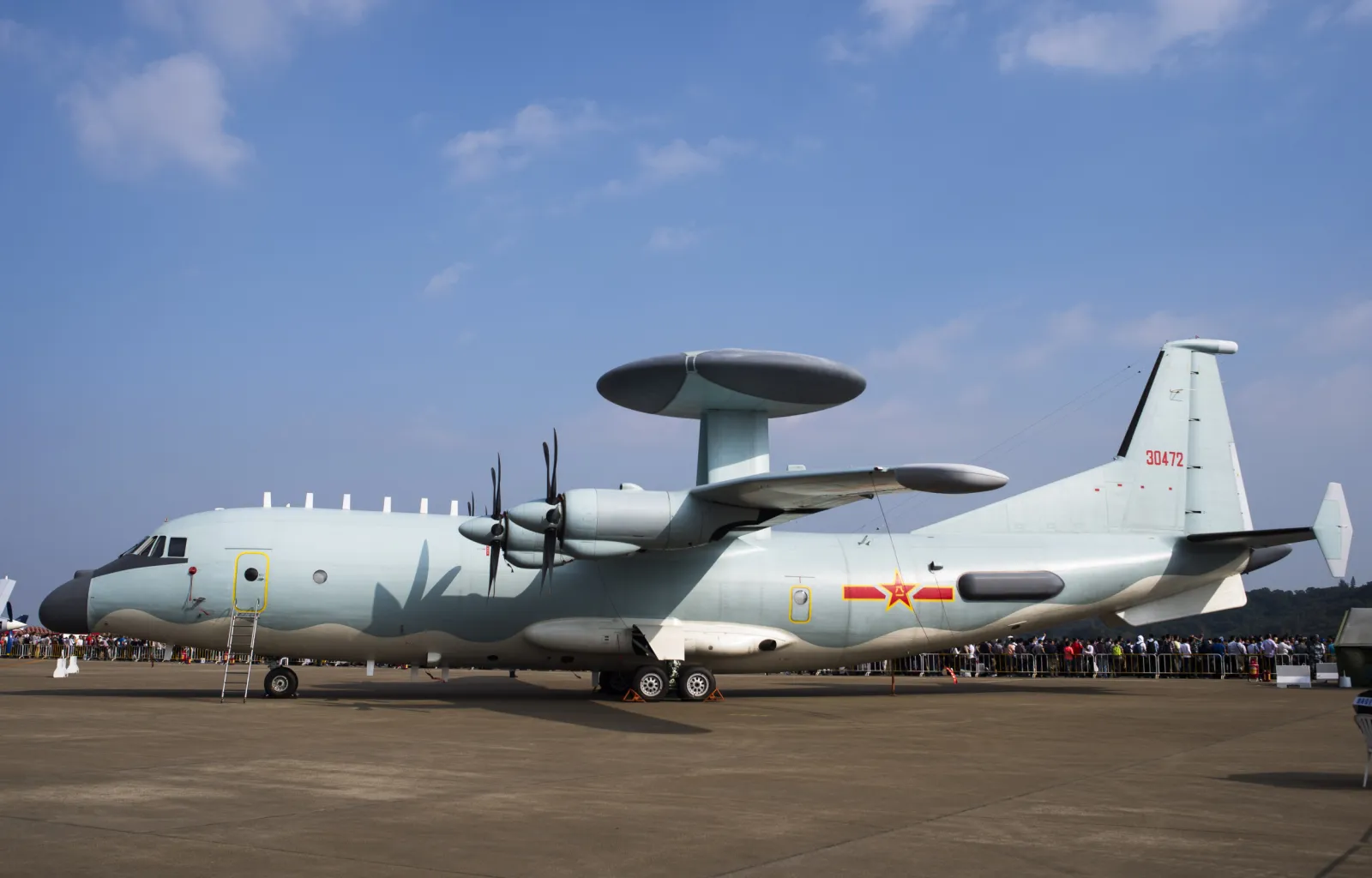
By Sabeeh Zanair :
China has successfully completed the maiden flight of its first comprehensive atmospheric survey aircraft, a platform designed to monitor air pollution, greenhouse gases and cloud characteristics from the sky.
The fixed-wing Y-12F atmospheric comprehensive aerial survey aircraft completed its first test flight in Harbin, the capital of northeast China’s Heilongjiang Province, according to the Aviation Industry Corporation of China (AVIC).
The aircraft has been developed as a specialised environmental monitoring platform capable of carrying out multiple scientific surveys in a single mission, including the detection of airborne particles, gaseous pollutants, greenhouse gas levels and cloud-water properties.
More Than 60 Scientific Systems Integrated
Based on the Y-12F turboprop aircraft, the new platform has undergone extensive modifications and integration of more than 60 sets of specialised mission equipment.
These systems are designed to provide three-dimensional monitoring of atmospheric conditions, allowing scientists to collect detailed information about pollutants and climate-related gases at different altitudes.
The aircraft can now perform integrated aerial surveys that combine multiple environmental measurements, improving efficiency compared with separate monitoring missions.
Built for Environmental Research
The Y-12F is an eight-tonne-class turboprop aircraft independently developed by AVIC Harbin Aircraft Industry Group Co. Ltd. It offers a large cabin space and strong payload capacity, making it suitable for carrying advanced scientific instruments.
Researchers are expected to use the aircraft for environmental studies, atmospheric research and climate monitoring, helping improve understanding of pollution sources and changes in atmospheric conditions.
Next Phase of Testing
Following its first flight, the aircraft is scheduled to complete more than 30 hours of additional test flights in different regions.
During these missions, engineers will evaluate the performance and reliability of its scientific equipment under different conditions, including various altitudes and environmental environments.
The development of the Y-12F survey aircraft reflects China’s growing investment in atmospheric research technology as countries around the world increase efforts to monitor air quality, climate change and greenhouse gas emissions.
Advanced airborne monitoring systems such as this could provide scientists with more accurate data for environmental management, pollution control and climate research.
About The Author