
 techend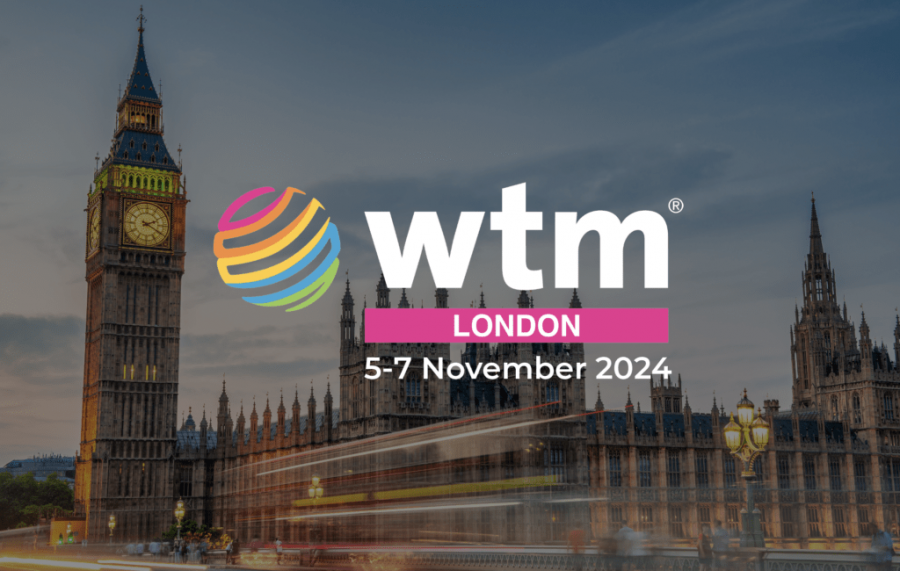
By Tanveer Ahmed :
LONDON : Inside the sprawling, brightly lit halls of the ExCeL exhibition centre in east London, the atmosphere this week felt less like a conventional trade show and more like a crowded, chaotic microcosm of the planet itself.
From the vibrant, spice-scented pavilions of North Africa to the neon-drenched high-tech zones representing East Asia, more than 46,000 delegates converged for the 44th edition of the World Travel Market (WTM) 2024. Over three intensive days, ministers, airline executives, hoteliers, and travel agents haggled over contracts, unveiled multi-billion-pound infrastructure plans, and tried to answer a single, fundamental question: where on earth is global tourism heading next?
For an industry that was effectively brought to its knees just a few years ago by pandemic lockdowns, the overarching verdict from WTM 2024 was clear, vibrant, and surprisingly optimistic. Global wanderlust has not just recovered; it is actively breaking records.
According to the flagship WTM Global Travel Report launched on the event’s opening day, international tourist arrivals are projected to hit an unprecedented 1.5 billion by the end of the year, finally eclipsing the pre-pandemic benchmarks of 2019. By 2030, that number is expected to balloon to two billion.
Yet, beneath the glossy promotional videos and the celebratory rhetoric, the mood along the kilometres of carpeted aisles was far from complacent. The global travel industry finds itself at a critical crossroads, caught between unprecedented consumer demand and an array of daunting systemic threats—ranging from unpredictable economic headwinds and geopolitical volatility to the stark reality of a warming planet.
For months, economists have warned that persistent inflation, high interest rates, and the squeeze on household incomes would inevitably force consumers to tighten their belts, with holidays usually the first luxury to be cut from the family budget.
But the data and the anecdotes shared at WTM 2024 paint an entirely different picture of modern consumer psychology. Tourists, it seems, now view travel not as an optional luxury, but as a non-negotiable priority.
“People are actively cutting back on retail, home improvements, and big-ticket material goods so they can protect their holiday spend,” noted one senior European tourism director during a panel discussion. According to research unveiled by Tourism Economics at the event, travel spending as a percentage of overall consumer expenditure has climbed to 8.8 per cent, up from the historical average of 8.2 per cent recorded throughout the previous decade.
However, how people travel is fundamentally shifting. Industry experts at the event pointed to a massive surge in what they term “affordable luxury.” Facing higher airfares and accommodation costs, travellers are demanding more value for their money, opting for longer stays rather than multiple short breaks. The average length of an international hotel stay has increased by 12 per cent compared to 2019.
Simultaneously, the corporate travel market—once widely predicted to be permanently crippled by the rise of Zoom and remote working—staged a spectacular comeback at ExCeL London. Annual growth in corporate visits outpaced pure leisure travel in 2024, driven heavily by “bleisure”—the increasingly popular practice of tacking several days of holiday onto a mandatory business trip.
Beyond the transactional business deals, the thematic heart of WTM 2024 beat inside its tech pavilion. This year, the annual Ministers’ Summit—bringing together more than 50 of the world’s most influential tourism policymakers alongside the UN Tourism body—focused entirely on the disruptive, transformative potential of Artificial Intelligence (AI).
While previous years treated AI as a futuristic novelty, 2024 marked its integration into the mainstream travel pipeline. Exhibitors demonstrated AI systems capable of hyper-personalizing itineraries in real-time, predicting flight delays before they happen, and using facial recognition to create entirely biometric, “frictionless” airport experiences.
“AI is no longer just about chatbots answering basic customer service queries,” said an aviation analyst at the Technology Summit. “It is now about analyzing massive datasets to predict consumer behaviour, dynamically pricing airline seats, and streamlining the agonizing logistical bottlenecks that make modern travel stressful.”
However, the political leaders gathered in London expressed sharp caution. Ministers debated the profound ethical implications of data privacy, the potential loss of human hospitality jobs, and the growing digital divide between technologically advanced destinations and developing nations that risk being left behind in the algorithmic race.
If technology was viewed as the industry’s great opportunity, climate change was universally acknowledged as its greatest existential threat. The WTM sessions on sustainability took on a distinctly somber tone, occurring after a year characterized by record-shattering global temperatures, devastating wildfires across Mediterranean resorts, and severe water shortages in major tourist hubs.
The consensus at the event was that climate change is no longer an abstract future projection; it is actively altering global holiday booking patterns right now. Data presented at the show revealed that extreme weather events are already forcing travellers to abandon traditional peak-summer destinations in Southern Europe in favour of cooler, northern latitudes, or to shift their holiday dates to the autumn and spring shoulder seasons.
Consequently, the industry dialogue at WTM 2024 moved decisively away from traditional “sustainable tourism”—which simply aims to minimize environmental damage—towards “regenerative tourism.”
Delegates debated practical ways to enforce strict visitor caps at fragile historical sites, eradicate single-use plastics from global supply chains, and ensure that the financial windfall of tourism directly benefits local, indigenous communities rather than multinational cruise lines and resort conglomerates.
As the thousands of delegates packed away their brochures and departed the ExCeL centre into the damp London evening, the mood was one of hard-earned resilience. The World Travel Market 2024 proved that humanity’s desire to explore the world remains entirely undiminished by economic hardship.
However, it also delivered a stern warning: for the global tourism machine to survive the next decade, it must rapidly evolve to become smarter, cleaner, and far more adaptable to a rapidly changing world.
About The Author