
 techend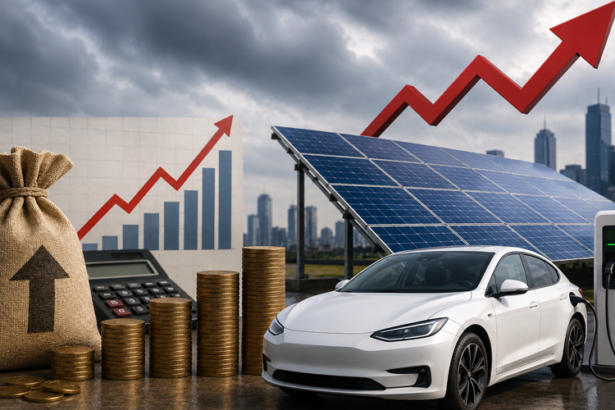
By Tanveer Ahmed :
Consumers may face higher costs for solar energy systems, electric vehicles and hybrid cars in the coming fiscal year as the government considers a series of tax measures aimed at boosting revenue collection under the federal budget for FY2026-27.
According to reports, policymakers are reviewing proposals to increase taxes on several sectors that have enjoyed preferential treatment in recent years. The discussions are taking place as Pakistan works to meet fiscal targets under its programme with the International Monetary Fund, which has reportedly urged authorities to limit new tax exemptions and broaden the country’s tax base.
Among the proposals under consideration is a substantial increase in the General Sales Tax (GST) on electric vehicles. Officials are examining a plan to raise the GST rate from the current one per cent to 18 per cent, a move that could significantly increase the prices of electric cars and other battery-powered transport.
A similar proposal seeks to increase the GST on hybrid vehicles from eight per cent to 18 per cent. If approved, the measure would affect a broad segment of the automotive market, including passenger cars that combine conventional engines with electric power systems.
Industry observers warn that higher taxation could slow the adoption of cleaner transport technologies at a time when many countries are encouraging a shift away from fossil fuels through incentives and subsidies.
The government is also considering raising the GST on imported solar panels from 10 per cent to 18 per cent. The proposal could increase installation costs for households and businesses that have increasingly turned to solar energy in response to rising electricity prices and concerns over energy reliability.
Pakistan has witnessed a sharp increase in solar adoption over the past few years, with consumers investing heavily in rooftop systems to reduce dependence on the national grid and lower energy bills. Analysts say any increase in taxation could affect future demand, particularly among middle-income households and small businesses.
The proposed changes would apply to a wide range of electric vehicles, including cars, motorcycles, rickshaws, buses, trucks, tractors, pickup vehicles and double-cabin vehicles, potentially impacting both individual buyers and commercial operators.
The tax discussions come as the government finalises its budget strategy for the next financial year, balancing the need to increase revenues with efforts to support economic activity and attract investment in emerging sectors.
Meanwhile, the country’s textile industry has renewed calls for financial relief, urging authorities to release approximately Rs327 billion in outstanding tax refunds. Industry representatives argue that delayed payments continue to strain exporters’ cash flows and undermine competitiveness in international markets.
Exporters have also requested reductions in electricity and gas tariffs, saying high energy costs remain one of the biggest challenges facing Pakistan’s manufacturing sector.
Reports suggest the government is considering abolishing the one per cent advance tax on exports, a measure that could provide around Rs100 billion in relief to exporting businesses. However, officials indicate that a broader relief package for the sector is unlikely at this stage.
The federal budget, expected to be unveiled next week, will set out the government’s taxation, expenditure and revenue plans for FY2026-27. Businesses, investors and consumers are closely watching the proposals, particularly those affecting energy, transport and export-oriented industries, as they could have significant implications for investment decisions and economic growth in the year ahead.